The Allure of Chance and Uncertainty
The thrill of gambling often stems from the allure of chance and the uncertainty that accompanies it. Players are drawn into a world where the outcome of each game is unpredictable, igniting a rush of adrenaline as they place their bets. This unpredictability creates an emotional high, akin to a roller coaster ride, where the potential for winning feels exhilarating. Many gamblers are motivated by the dream of hitting a jackpot, which serves as a powerful psychological incentive that keeps them engaged in the gaming environment. For those seeking a seamless experience, ontario casino fast withdrawal options can enhance their enjoyment, as the idea of winning big taps into our innate desire for risk and reward, making the experience both exciting and compelling.
Furthermore, the concept of near-misses plays a significant role in maintaining this excitement. Studies have shown that when players experience a near-miss, such as almost winning a slot machine payout, they are more likely to continue gambling. This phenomenon triggers feelings of anticipation and hope, reinforcing the behavior as players believe they are close to winning. The emotional investment in these near-misses cultivates a sense of optimism, making it hard for individuals to walk away even after losing. Consequently, the cycle of risking money for the chance of reward becomes deeply embedded in their psyche, which can lead to habitual gambling behaviors.
Additionally, the environment of a casino is meticulously designed to enhance the sense of excitement and uncertainty. Bright lights, captivating sounds, and engaging visuals create an immersive atmosphere that captivates patrons. The strategic placement of games and machines ensures that players are constantly aware of potential wins, thus heightening their emotional investment. This carefully crafted space utilizes psychological principles of reinforcement and reward, drawing in gamblers who crave both risk and the thrill of potential reward. Consequently, the casino becomes a realm where hope and anticipation intertwine, making it difficult for players to resist the magnetic pull of gambling.
The Role of Emotions in Gambling Behavior
Emotions play a critical role in the decision-making process of gamblers. When individuals gamble, various emotional states can influence their behavior, whether it’s excitement, anxiety, or even despair. For some, the casino serves as an escape from reality, where they can temporarily forget their troubles and immerse themselves in a world of chance. This emotional detachment can result in irrational decision-making, where players chase losses or double down on bets in hopes of recovering their funds, rather than assessing their situation logically. The emotional highs and lows can create a volatile cycle, often making it challenging to maintain a rational perspective.
Moreover, the euphoric highs associated with winning can create an addictive cycle. The brain releases dopamine—a neurotransmitter linked to pleasure—when a player wins, leading to feelings of euphoria. This chemical response reinforces the gambling behavior, encouraging players to seek out the same thrill again. In contrast, losses can lead to feelings of frustration and desperation, which can compel gamblers to continue playing in an attempt to regain what they lost, despite the emotional toll it may take. This cycle of highs and lows can be both exhilarating and destructive, showcasing the power of emotions in shaping gambling habits.
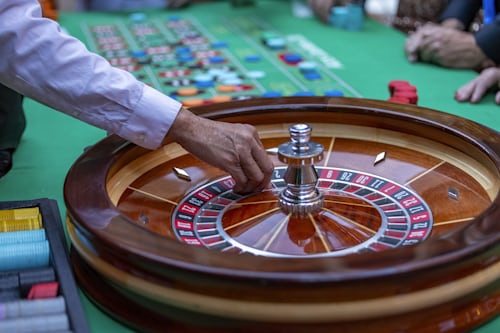
This complex interplay of emotions can also serve as a catalyst for problem gambling. When gambling behavior spirals out of control, it can lead to serious emotional consequences, including anxiety, depression, and strained relationships. Understanding the emotional drivers behind gambling is essential for both players and support systems, as it highlights the need for interventions and educational measures to address unhealthy gambling patterns. By acknowledging the emotional aspects of gambling, individuals can work towards healthier habits and seek help when needed, fostering a more balanced approach to gaming.
The Influence of Social Dynamics
Social dynamics significantly impact gambling behavior, with interactions among players reinforcing the habit. Casinos often leverage this social aspect by offering group-oriented games or lounge areas where players can congregate. The enjoyment of sharing experiences with others creates a sense of community and belonging, making it more likely that individuals will return to gamble repeatedly. This communal aspect can enhance the overall experience, providing social validation and shared excitement that deepens the emotional connection to gambling. As a result, players may feel compelled to maintain their participation in the gaming environment.
Furthermore, the normalization of gambling in social settings can perpetuate this behavior. Many people view gambling as a form of entertainment enjoyed with friends, leading to the idea that it’s merely a casual pastime. This perception can diminish awareness of potential risks associated with gambling, as individuals may be more inclined to overlook signs of addiction or problematic behavior when surrounded by others who participate. The social reinforcement of gambling may encourage individuals to gamble more than they initially intended, amplifying the psychological hold it can have. This blend of social influence and gambling can blur the lines between healthy entertainment and risky behavior.
Peer influence can also dictate gambling behaviors, as individuals may feel compelled to partake in certain activities to maintain social connections. This can manifest in different ways, from participating in a night out at the casino to playing online games with friends. The blend of social rewards and shared experiences makes gambling more enticing, often blurring the line between healthy enjoyment and risky behavior. Understanding these social influences is crucial for developing effective strategies to promote responsible gambling practices and raise awareness about addiction. By recognizing the power of social dynamics, individuals can make more conscious decisions regarding their gambling habits.
The Impact of Cognitive Biases
Cognitive biases profoundly affect how gamblers perceive risk and reward, shaping their decision-making processes. Many gamblers exhibit the “gambler’s fallacy”—the belief that past events can influence future outcomes. For instance, a player may think that after a series of losses, they are “due” for a win, leading them to increase their bets. Such misconceptions about probability can result in increased financial risk without a rational understanding of the game’s mechanics. This flawed reasoning showcases the human tendency to search for patterns in randomness, often leading to detrimental choices.

Additionally, confirmation bias plays a pivotal role, as gamblers often focus on outcomes that support their beliefs while ignoring contradictory evidence. A gambler might remember their wins vividly but downplay their losses, creating a skewed perception of their success rate. This selective memory can perpetuate gambling behaviors, making it challenging to recognize when to stop or seek help. By emphasizing the successes while minimizing the failures, gamblers can fall into a trap of denial, making it harder to break free from the cycle of gambling.
Another significant cognitive bias is the illusion of control, where individuals believe they can influence or control random events, such as the outcome of a dice roll or slot machine. This overestimation of one’s abilities often leads to continued play and increased financial investment. By understanding these cognitive biases, both gamblers and educators can better address the misconceptions that contribute to problem gambling. Increasing awareness about these cognitive distortions can empower players to make more informed decisions and recognize when their beliefs may be leading them astray.
Your Resource for Understanding Gambling Psychology
For those seeking to delve deeper into the intricate psychology behind casino gambling, there are numerous resources available that explore these themes in greater detail. Educational platforms provide informative articles, research papers, and expert opinions that can help individuals comprehend the complex motivations and behaviors associated with gambling. Understanding this psychological landscape is crucial for both players and their loved ones, particularly in recognizing the signs of gambling addiction. By educating themselves, individuals can become more aware of their behaviors and make choices that align with their well-being.
Additionally, various organizations and support networks offer assistance to those struggling with gambling issues. These organizations focus on raising awareness about responsible gambling and provide valuable tools for individuals seeking to regain control over their habits. They often feature counseling services, support groups, and informative content designed to educate both gamblers and their families about the potential risks and signs of problem gambling. Accessing these resources can empower individuals to take proactive steps in addressing their gambling behaviors.
Ultimately, gaining insight into the psychology of gambling equips individuals with the knowledge to make informed decisions. By fostering a deeper understanding of emotional, social, and cognitive factors, players can engage more responsibly with gambling activities, ensuring their experiences remain enjoyable without falling prey to the pitfalls of addiction. The journey towards responsible gambling starts with awareness and education, and leveraging available resources can help individuals navigate the complexities of gaming in a healthier manner.

