Shop Discount Ammo on Sale Without Sacrificing Quality
Discount ammo can cost up to 50% less than standard retail boxes, yet it often comes from the same factories that produce premium brands. These savings typically result from bulk purchasing, overstocked inventory, or plain packaging, not lower safety standards. To benefit, you simply buy in larger quantities or choose less popular calibers, while checking the lot number for consistent performance. The key is to test a small batch first, ensuring reliable feeding and accuracy before stocking up.
What Exactly Counts as Discount Ammo and Why Is It Cheaper?
Discount ammo typically includes remanufactured rounds, factory seconds, overrun lots, or bulk-packed cartridges sold without premium packaging. Remanufactured ammo uses once-fired brass that’s inspected and reloaded, cutting material costs significantly. Factory seconds have cosmetic blemishes—tarnished cases or slightly off-color primers—but still meet function standards, so they’re sold at a markdown rather than scrapped. Overrun lots are surplus from military or law enforcement contracts, produced in massive quantities at lower per-unit cost and passed to civilians. Bulk packs (e.g., loose rounds in a cardboard box instead of Styrofoam trays) reduce labor and packaging overhead. Cheaper primers or powder blends, and steel instead of brass cases, also lower price but may affect accuracy or reloadability. What separates discount ammo from junk is verified headspace and pressure testing. Q: Is discount ammo safe for my firearm? A: Yes, if it’s from a reputable brand that headspaces and pressure-tests each lot; avoid unknown remanufacturers without published QC data.
The Real Difference Between Factory Seconds, Overruns, and Remanufactured Rounds
Factory seconds are new cartridges that failed a cosmetic or minor dimensional check, so they’re perfectly functional but may have tarnished brass or slightly off bullet seating. Overruns are identical to first-run ammo—same components, same QC—but surplus from a bulk contract, making them the best value since they’re essentially pristine. Remanufactured rounds, however, are reloaded from once-fired brass with new primers, powder, and bullets, often using automated presses. The real risk difference: seconds and overruns carry factory warranty confidence, while remanufactured depend entirely on the loader’s quality control. For defensive use, stick to overruns; for range blasting, remanufactured saves the most. Factory overruns offer the safest discount ammo choice because they’re indistinguishable from standard loads but priced lower.
How Bulk Packaging and Plain White Boxes Cut Costs Without Cutting Corners
Bulk packaging and plain white boxes cut costs by stripping away non-essential materials—overprinted cardboard, foam trays, and individual plastic sleeves—which directly lowers the per-round price you pay. Instead of paying for fancy branding, you pay for the cartridge itself. The savings come from three clear steps: first, manufacturers skip the graphic design and multi-color printing process, reducing production time. Second, they use a single, standardized box that fills more efficiently on pallets, 7.62x54R Ammo for Sale cutting freight weight and storage overhead. Third, they eliminate inner dividers, relying on tight packing to prevent movement. This approach is what makes discount ammo bulk packaging a smart choice for range sessions, since the ammo itself is identical to premium-boxed equivalents—only the presentation is simpler.
When “Cheap” Ammo Is Actually a Steal vs. When It’s a Red Flag
Cheap ammo is a genuine steal when it’s a trusted brand’s overrun, a bulk order from a major manufacturer, or factory seconds with only cosmetic blemishes—function is identical, so you’re paying less for the same bang. It’s a red flag when the price drops on an unknown import with no lot traceability, inconsistent crimps, or corroded cases; that “deal” often means misfires or stuck cases at the range. Also, beware of steel-cased bargain loads for precision rifles—savings vanish if accuracy suffers. Trust your eyes: shiny, uniform rounds from a recognizable name are wins, while gritty, dented, or vaguely labeled boxes are warnings. Discount ammo red flags appear when the savings outpace the manufacturer’s reputation, not just the price tag.
A cheap round is a steal only if the brand, finish, and function hold up; any mystery, damage, or quality compromise on the box means the discount 5.56 Ammo for Sale isn’t worth it.

How to Stack Coupons, Rebates, and Free Shipping for Maximum Savings on Bulk Rounds
To maximize savings on discount ammo, first combine a retailer’s promotional coupon code with an active manufacturer rebate, ensuring the coupon applies to bulk rounds before rebate submission—never after, as rebates calculate from the post-discount price. Next, trigger free shipping by reaching the site’s dollar threshold with extra bulk boxes, but verify that the coupon isn’t a “free shipping override” that nullifies other discounts; if so, prioritize the coupon and pay for shipping only when the rebate exceeds the freight cost. Stack a cash-back portal on top of both to reclaim a percentage of the final total, and always check the rebate’s fine print for minimum purchase quantities, as bulk orders often qualify for tiered rebates per case. Timing matters: rebate cycles often reset mid-month, so a coupon code may expire before your rebate is validated. Finally, compare per-round cost after all deductions, not the sticker price, to confirm the stack actually beats 7mm PRC Ammo for Sale a flat sale.
The Best Times of Year to Buy Low-Cost Cartridges (Hint: It’s Not Just Black Friday)
Beyond Black Friday, the sharpest discounts on bulk ammo cluster around late January and mid-summer. Manufacturers clear post-holiday inventory in January to reset production lines, while retailers slash prices in July to offset sluggish warm-weather demand. The third window is late September, when distributors offload aged stock before fourth-quarter shipments arrive. For maximum stacking, pair these windows with quarterly credit-card reward resets and free-shipping promotions that typically launch on the first Monday of each month. The most reliable low-cost cartridge window follows a simple sequence: monitor January clearance, set alerts for July price drops, then execute bulk purchases in late September before holiday surcharges appear.
Why Joining Ammo Clubs and Email Lists Pays for Itself in One Order
Joining an ammo club or email list delivers an immediate return because the members-only discount code typically covers the subscription fee on a single bulk purchase. For example, a $25 annual membership often unlocks 5–10% off, which on a $500 case of 9mm equals $25–50 in savings right away. Beyond the upfront percentage, these lists provide early access to flash sales and exclusive free-shipping thresholds that aren’t publicly advertised, eliminating the $15–20 freight charge that would otherwise eat into your per-round cost. One order that combines that discount with waived shipping recoups the fee and then some.
Q: Does joining an ammo list really pay for itself with just one order?
A: Yes, if the order exceeds roughly $300, because the member rebate plus waived shipping usually surpasses the annual fee, leaving you net positive before the second order.
How to Use Price-Per-Round Calculators to Catch Hidden Deals on Discounted Boxes
To catch hidden deals on discounted boxes, stop comparing shelf prices and start calculating true cost per round. Divide the box’s total price by the number of cartridges—including shipping and any applicable taxes—to expose “bargains” that are actually pricier per round than a smaller, higher-ticket box. For example, a 500-round case at $0.42/round beats a “sale” 50-round box at $0.48/round, even if the case has a higher upfront price. Track your results in a simple spreadsheet or use a free online calculator to re-check every listing, especially multi-pack bundles where the per-round math is frequently obfuscated. This method also reveals bulk discounts hidden inside flat-rate shipping deals.
Which Calibers and Bullet Types Give You the Most Value for Your Money
When hunting for discount ammo, the best value often comes from calibers with massive military surplus and plinking demand: 9mm, .223/5.56, and .22 LR. These are consistently the cheapest per round, so you can train heavily without burning cash. For bullet types, full metal jacket (FMJ) is your value king—it’s reliable, feeds smoothly, and costs far less than hollow points or soft points. Skip premium defensive rounds for range days; they’re built for stopping threats, not paper. If you need a hunting option on the cheap, a soft-point .308 in bulk packs beats any specialty round on price-to-performance. Stick to brass-cased when possible—steel is tempting but can wear extractors over time.
The real trick is buying surplus or overrun FMJ in bulk for 9mm or .223; that’s where discount ammo gives you the most bang for your buck.
Avoid niche calibers like .45-70 or .300 BLK—they rarely go on sale and eat your savings fast.
Why 9mm, .223, and .22 LR Are the Kings of Affordable Shooting
The enduring value of 9mm, .223, and .22 LR lies in their sheer production volume, which directly translates to the lowest per-round prices in the discount ammo market. Because these three calibers are purchased in massive quantities by civilian shooters and law enforcement alike, retailers constantly compete on price, making them the most reliable candidates for bulk-buying discounts. For practical shooting, the cost-per-round advantage of these calibers means you 7.62×39 Ammo for Sale can practice twice as often for the same budget compared to niche rounds. The 9mm offers manageable recoil for defensive drills, the .223 provides flat trajectory for rifle practice, and the .22 LR allows for near-pennies-per-shot plinking and marksmanship fundamentals.

- Discount ammo deals are most frequent and deepest for these three calibers due to their high turnover.
- Bulk purchases of 9mm and .223 frequently include free shipping or extra rebates.
- The .22 LR is the only caliber where you can sustain an entire range session for under ten dollars.

When to Choose Full Metal Jacket Over Hollow Points on a Budget
When stretching every dollar with discount ammo, choose full metal jacket (FMJ) over hollow points primarily for **range practice and target shooting**, where terminal expansion is irrelevant. FMJ costs significantly less per round, allowing more trigger time for the same budget. Reserve hollow points for defensive carry loads, which demand premium reliability and expansion—but purchase them sparingly. If your budget is tight, FMJ is also the smarter pick for high-volume drills like malfunction clearance and recoil management, where you’re burning through hundreds of rounds. Only switch to hollow points when you are confident your firearm cycles them flawlessly, since cheap HP failures are more dangerous than FMJ over-penetration risks.
- Choose FMJ for all routine practice and competitive shooting to maximize round count.
- Buy a single box of hollow points for actual carry, testing a few mags for function.
- Use FMJ when practicing in conditions that cause dirt or debris fouling, as they are less finicky.
- Skip premium hollow points for backup or training guns where accuracy is the primary goal.
How to Find Practice-Friendly Loads That Mimic Your Expensive Self-Defense Rounds
To find practice-friendly loads that mimic your expensive self-defense rounds, start by comparing bullet weight and shape, not just the cartridge. A 124-grain FMJ flat-point will feel much closer to your 124-grain JHP than a round-nose 115-grainer. Check the box for velocity ratings—if your defense ammo runs hot, look for a “law enforcement” or “training” line from the same maker, which usually replicates the recoil impulse at a lower price. Finally, shoot both from a rest at 10 yards to confirm the point 5.7x28mm Ammo for Sale of impact matches, so your muscle memory stays honest.
Focus on matching weight, profile, and muzzle velocity; buy the manufacturer’s own training line to get the closest .17 HMR Ammo for Sale feel without the premium price tag.
How to Inspect and Test Budget Ammo Without Blowing Up Your Gun
Start by measuring the overall length of budget ammo with calipers and comparing it .17 WSM Ammo for Sale to factory specs; discount rounds often have inconsistent seating depth, which spikes pressure. Roll each cartridge on a flat surface to catch bulged cases or loose primers, then examine the primer pocket for signs of being reamed too deep. Before firing, chamber a single round and extract it manually—if the bullet sets back into the case, reject the whole batch. Test in a strong, modern firearm with a known-good recoil spring, firing five rounds from a rest and checking the case heads for flattened primers or ejector swipe marks after each shot. **Never mix discount ammo from different lots in the same magazine**, since variations in powder charge can cause overpressure. Q: What’s the fastest way to spot dangerous discount ammo? A: Weigh individual rounds—variation over 1.5 grains indicates sloppy filling, which is your red flag to stop immediately.
Simple Visual Checks for Corrosion, Dents, and Primer Issues Before Loading Up
Before you load a single round of discount ammo, give each cartridge a quick once-over. Look for visible corrosion on budget brass, especially green or white crust near the case mouth or primer pocket—that’s a red flag for weak case walls. Check for dents or dings along the case body; deep creases can split on firing, while minor surface scuffs are usually fine. Inspect the primer: it should sit flush or slightly recessed, never proud or missing. A high primer can cause slam-fires in semi-autos. Toss any round with rust streaks, cracks, or a flattened bullet tip. These checks take ten seconds per box and save you from a ruined day at the range.
Q: What’s the most obvious sign to skip a discount round?
A: If the primer is loose, raised, or has black soot around it, skip it—that indicates improper seating or a damaged firing pin strike, which could lead to a misfire or overpressure.
The Right Way to Chronograph Cheap Loads to Check for Consistency
To chronograph cheap loads correctly, set up at least ten feet from the muzzle to avoid muzzle blast skewing the sensors, and shoot a minimum of ten rounds per box to establish a reliable average. Record extreme spread and standard deviation, not just velocity, because budget ammo often shows wider variation that indicates inconsistent powder charges. Shoot from a rested position, ideally indoors or in calm conditions, and use the same firearm for every test batch. Compare your results against the manufacturer’s stated velocity; a spread exceeding fifty feet per second suggests lot inconsistency, while a standard deviation under fifteen is acceptable for discount rounds. Chronographing cheap loads for consistency requires logging every shot sequentially, then discarding any obvious outliers before calculating your final numbers.
How to Run a 50-Round Test Batch to Spot Fouling or Extraction Problems Early
Grab a single box of that discount ammo and load just five rounds for your first string. Fire them slowly, then check your cases for shiny swipe marks or heavy carbon rings around the extractor groove. If they look clean, load the next fifteen and shoot at a normal pace, keeping an eye on how far the brass flings from your gun. By round twenty-five, you’ll see the real story: early fouling or extraction hiccups show up as sticky bolt lifts, weak ejection, or gritty slide travel. Finish the last twenty-five, then field-strip and look for plastic-like buildup in the chamber throat. If everything runs smooth and cases eject consistently, the lot is probably safe for a bigger buy.
Smart Storage Habits That Keep Your Discounted Rounds Fresh for Years
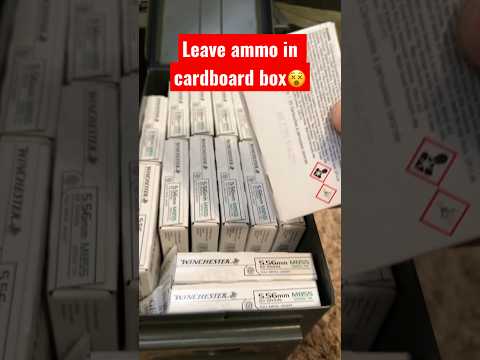
Smart storage habits that keep your discounted rounds fresh for years start with airtight, moisture-proof ammo cans. Even budget surplus ammo stays ballistically reliable if you toss in desiccant packs and seal the lid with a rubber gasket. Store those cans off concrete floors—a wooden shelf prevents condensation from wicking into primers and cases. Rotate your discounted ammo by lot number, shooting the oldest first, so nothing languishes past its prime. Avoid temperature swings; a cool, dark closet beats a garage that bakes in summer. Finally, resist opening the can to “check” it—every breach lets humid air attack cheap powder. Do this, and your bargain rounds will punch tight groups a decade later.
Best Practices for Humidity Control and Temperature in Ammo Cans
For discounted rounds, the primary enemy is moisture-driven corrosion, not the ammunition’s initial quality. Maintain a stable temperature between 60–75°F to prevent condensation cycles that form when warm air hits cold metal. Add a reusable desiccant pack inside each can, but recharge it monthly to keep relative humidity below 30%. Crucially, seal specialty sports & supply cans with a rubber gasket and open them only in a dry, climate-controlled room to avoid trapping humid air. Avoid placing cans directly on concrete floors; use a wooden pallet to buffer thermal shock. Finally, rotate stock seasonally, as frequent temperature swings degrade primer compounds faster than steady conditions.
Keep ammo 7.62×51 Ammo for Sale cans under 75°F, below 30% humidity, sealed with a gasket, and off cold floors to prevent condensation damage.
Why Rotating Your Stock Keeps Your Cheapest Purchases Reliable at the Range
Rotating your stock ensures that your discount ammo doesn’t become a reliability gamble at the range. Even budget rounds, when stored properly, can accumulate subtle powder degradation or primer sensitivity over years, and the oldest boxes are always the first to fail. By consistently pulling from the back of your shelf and refilling from the front, you force every lot into use before its chemistry degrades. This practice, best described as stock rotation for ammo longevity, guarantees that the cheapest rounds you bought on sale perform Ammo Cans & Storage for Sale ballistically the same as fresh stock, preventing frustrating misfires or weak velocities from compromised propellant.
How to Label and Track Your Bulk Lots for Quick Recall If a Bad Batch Appears
When building a discount ammo stockpile, label each bulk lot immediately upon purchase by writing the **manufacturer, lot number, and acquisition date** directly on the sealed case with a permanent marker, then transfer the same code to a waterproof tag on each can or box. Maintain a simple spreadsheet or index card log mapping that code to your purchase receipt and storage location. If a bad batch appears—manifesting as squibs, split cases, or erratic accuracy—cross-reference your log, pull every round sharing that lot code, and quarantine them before they contaminate your trusted supply. This precise tracking prevents you from unknowingly mixing defective discount ammo with good rounds years later.
- Use a unique alphanumeric code per lot (e.g., “LOT0923B”) and repeat it on every container.
- Photograph the original box label and store the image in a cloud folder tied to your tracking sheet.
- Inspect and re-verify lot codes each time you rotate stock, noting any damaged boxes.

